

Character Matters
Why I've Started Talking More About Character Than Health

For as long as I can remember, I’ve felt a sharp ache amid character contradictions.
My first pastor, once a formative figure in my life, left the faith and disappeared entirely. A church elder who stood beside me in the high school choir had an affair and later murdered his wife—his case became the first big story on Court TV. And then there were my own contradictions, which I quickly learned to keep hidden—especially at church.
Not long after I was ordained to ministry and licensed as a therapist, I found myself working in contexts of abuse. Because I held both roles—pastor and therapist—I was often invited behind the ecclesial curtain: into care committees, disciplinary conversations, church planting assessments, and the rooms where secrets were kept.
Somewhere along the way, my language began to shift. I moved from speaking in terms of character (a framework I knew well as a college philosophy major) to speaking in terms of health—the language we’d use in therapy. I talked about cultivating emotional and relational health, often drawing from Daniel Goleman’s work on emotional intelligence: self-awareness, self-regulation, motivation, empathy, and social skill. I recommended excellent books on emotionally healthy spirituality and leadership. I taught the practices.
But as I began diagnosing personality disorders more frequently—particularly narcissistic and histrionic disorders—I found myself turning to the descriptor characterological: referring to the long-standing, pervasive patterns of thinking, feeling, and behaving that define a person’s core personality structure. This language came from the psychoanalytic tradition, but it also pointed to something more ancient and enduring. I found within myself a growing desire not only to cultivate health—but to help shape character.
Character, as I understand it, is who you are over time—revealed in your consistent habits and quiet choices, formed beneath the surface and beyond the whims of circumstance.
The word character traces back to the Greek verb charassō (χαράσσω), which means to engrave or inscribe, often with a sharp tool. Imagine a sculptor carving an image into stone, or a metalworker imprinting a design onto a coin. Imagine the deep grooves that remain—weathered by time, but not erased.
Over time, character came to refer to the defining quality of a person—what makes us who we truly are.
In contrast, personality stems from persona—the theatrical mask we wear. It often reflects the outward patterns we’ve adopted to navigate the world. But character suggests something deeper and more enduring: the moral, relational, and emotional contours etched into us over time. If personality is how we’ve learned to be seen, character is who we are when no one is looking—the hidden architecture of integrity, conviction, and care that shapes our consistent choices.
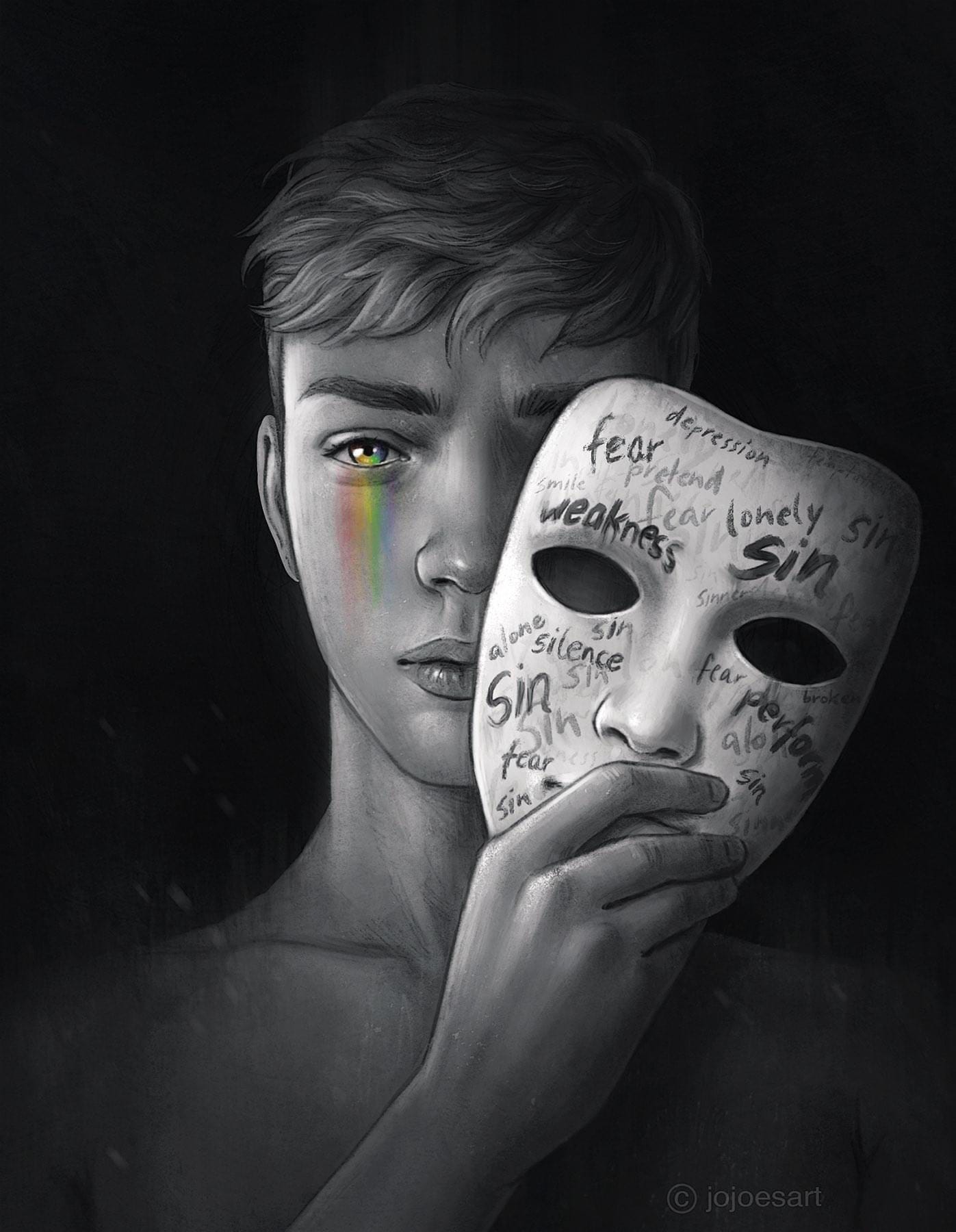
And it won’t surprise you that we’re facing a crisis of character.
We live in a narcissistic age—where personality pops, fauxnerability fools, and platforms elevate power—but depth of character is scarce. You can follow the stories (Julie Roys’ work offers a sobering catalog), but many of us have been watching this unfold for decades.
In recent years, I’ve shifted away from talking primarily about health. Not because health isn’t important—but because I’ve seen the language co-opted. I’ve seen leaders make quick comebacks from misconduct or infidelity with triumphant stories of three-month sabbaticals, newfound Enneagram insight, and therapy breakthroughs. They speak of being in “a much healthier place by God’s grace!”—but often still in the earliest stages of real character transformation.
Health can begin to improve in the short term.
Character is forged slowly—measured not in weeks, but in years. Sometimes decades.
And I believe it’s time we treat character contradictions with the gravity they deserve.
We need to talk about long-term formation, not quick emotional tune-ups. We need a deeper understanding of how character is actually shaped and reshaped—what the work involves, what the journey looks like, and what it realistically demands. In reality, the deepest transformation of your emotional and spiritual health is tied to your character maturation.
I’m currently finishing edits on a manuscript that explores exactly this. I’ll continue to share thoughts along the way.
But for now—how does this subtle shift from health to character strike you? How have you seen those words used differently? Does this kind of shift in language matter?
(Short pieces like this are almost always offered for free from me, but I am grateful to those of you who’ve become paid subscribers - because you know this work comes with a cost, in so many ways. Please consider supporting writers you appreciate. For many of us, this is a part of how we make a living - and your support inspires me, and others, to continue to write!)
I agree 100%. Thanks for this helpful—even needful—reemphasis.
Chuck, this is a crucial shift! I love how you are constantly addressing how certain words become tired and co-opted and how we need to return to them, but also evaluate what the new words have come to mean. Can’t wait to see more of this content and of course as your manuscript comes to life, I’ll be praying for you and in your corner.